ABS & Nylon Functional Testing SLA 3D Printing About
SLA (Stereolithography) 3D printing is a key technology in Product Development. It's a technique that uses a laser to cure liquid resin layer by layer, creating a solid 3D object from a digital design. This method is fundamental to modern Product Prototyping Services and Prototype Manufacturing Service.
-
Rapid Prototyping: SLA is a highly effective tool for Rapid Prototyping. Its ability to quickly create physical models from digital files significantly accelerates the product development cycle. Companies providing a 3D Rapid Prototyping Service often rely on SLA for its precision and speed in creating initial concepts and functional prototypes.
-
Precision and Quality: SLA is renowned for its high precision, producing very detailed, smooth, and accurate parts. This makes it ideal for Product Engineering Service where fine detail is crucial. The superior surface finishes it provides are often a requirement for high-end prototypes
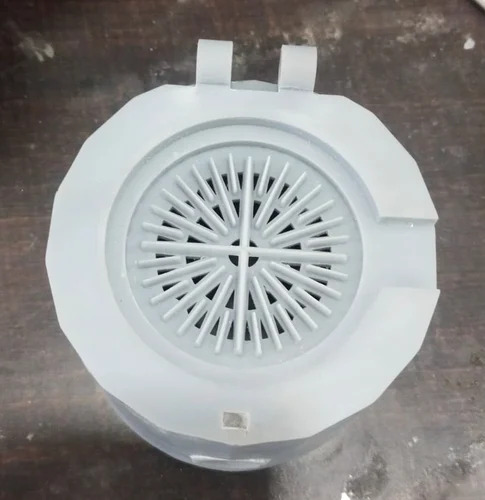
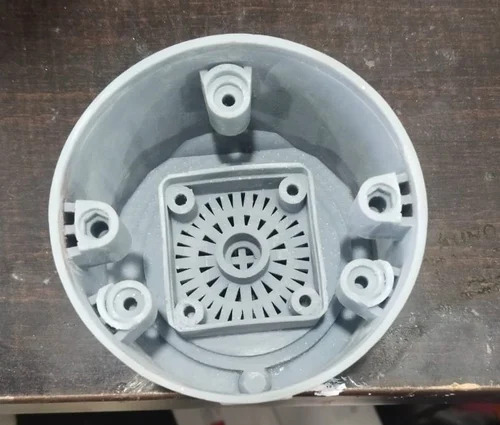
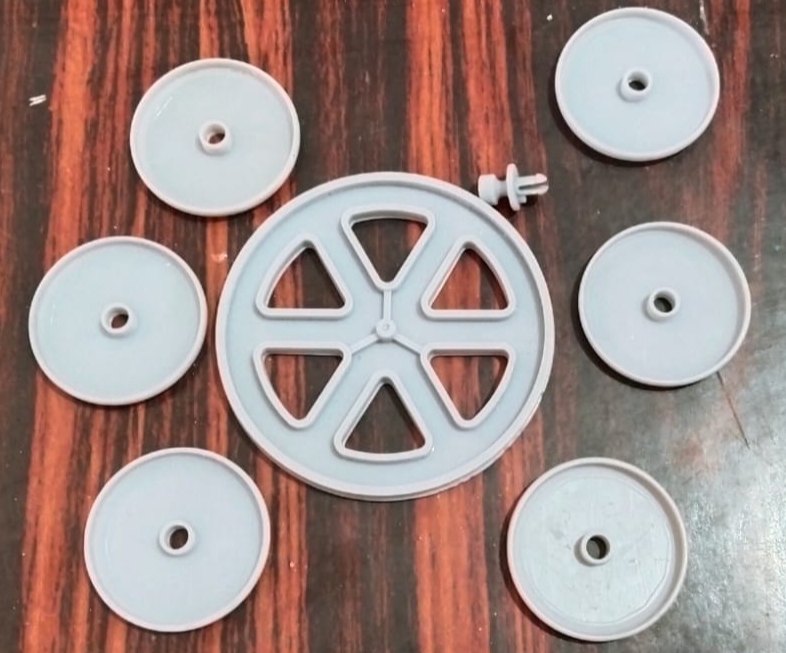
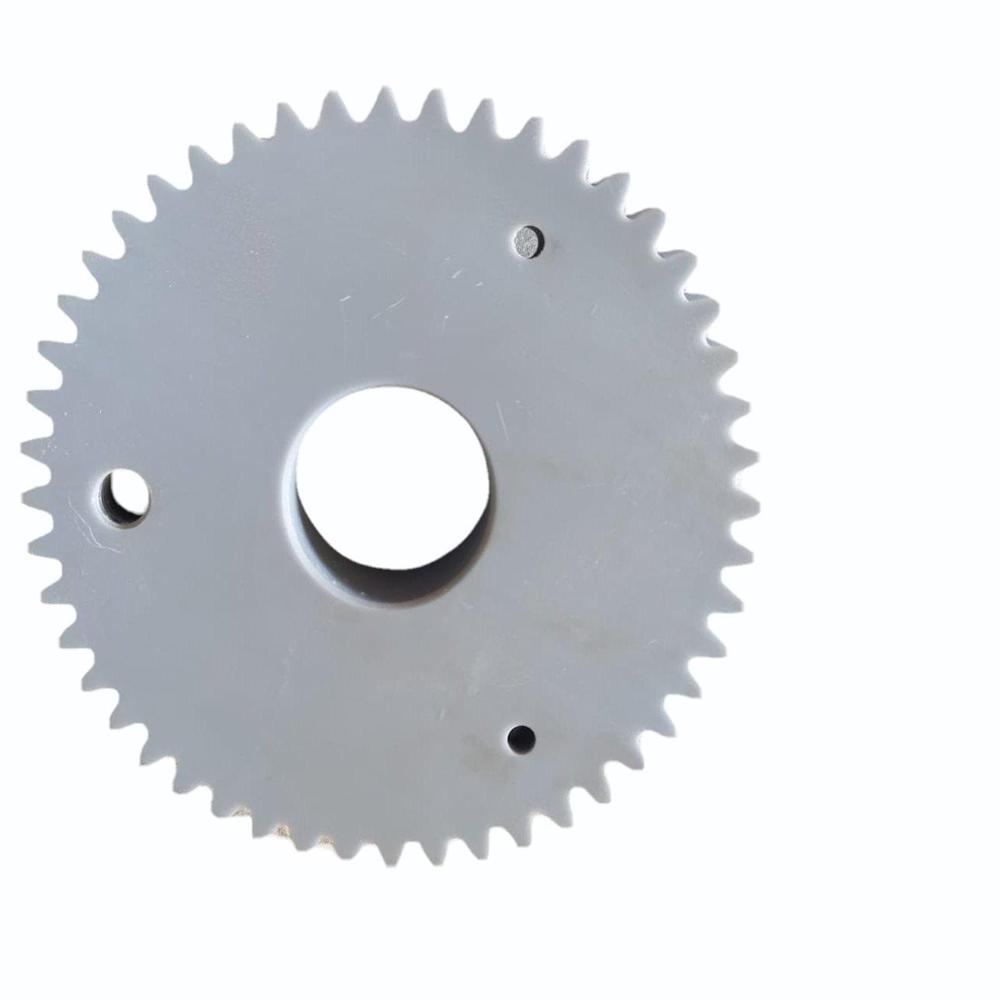
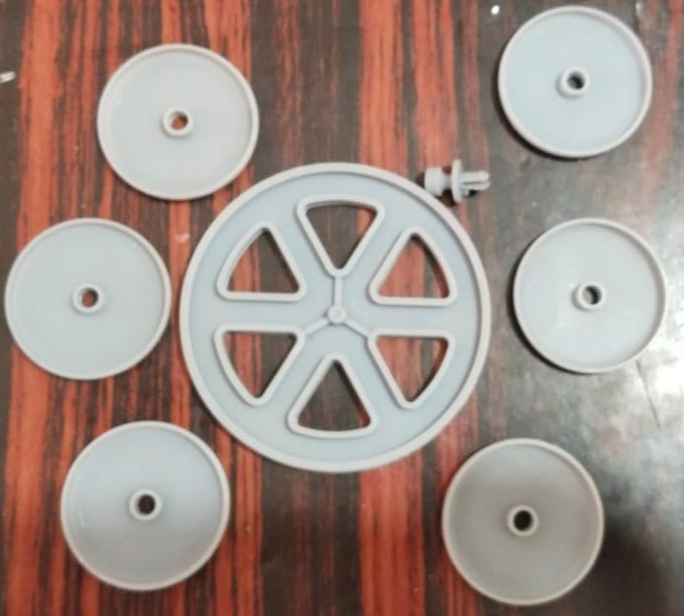
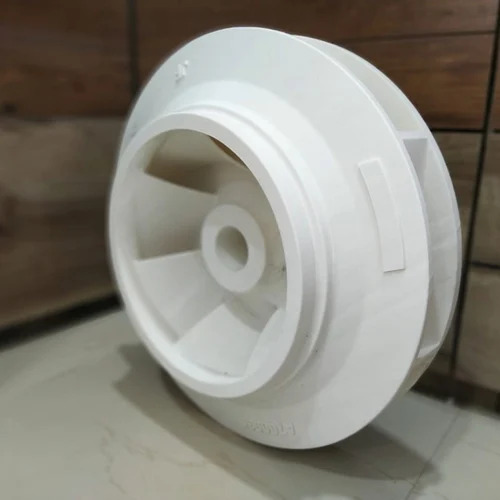
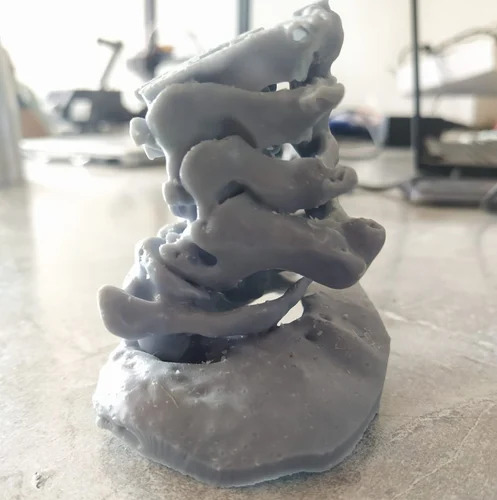
High Precision Functional PrototypesOur SLA 3D printing solutions enable the creation of durable and accurate prototypes using ABS and Nylon, with superior surface quality and fine-feature detail. These properties make our service ideal for functional testing and design validation across industries such as automotive, aerospace, and industrial equipment manufacturing.
Quick Turnaround and Flexible Design SupportWith a typical lead time of just 3-5 working days, you can swiftly move from concept to functional prototype. We offer comprehensive design support and accept custom requirements, ensuring your specific application needs are met with precision and efficiency, no matter the order size.
FAQ's of ABS & Nylon Functional Testing SLA 3D Printing:
Q: How does your SLA 3D printing process support functional testing applications?
A: Our SLA 3D printing uses high-quality ABS and Nylon, delivering parts with a layer thickness of 0.05-0.15 mm and accuracy of 0.1 mm. This ensures finished prototypes are robust (tensile strength: ABS ~40 MPa, Nylon ~50 MPa) and closely reflect final product characteristics for reliable functional testing.
Q: What are the material benefits of ABS and Nylon for 3D printed prototypes?
A: ABS offers good mechanical strength and heat resistance up to 100C, while Nylon provides even higher tensile strength (~50 MPa) and can withstand temperatures up to 120C. Both materials deliver durability and chemical resistance, making them ideal for functional testing applications.
Q: When can I expect my prototypes to be delivered after placing an order?
A: We maintain a quick turnaround, delivering your customized ABS and Nylon SLA printed prototypes within 3-5 working days after finalizing your design specifications and order requirements.
Q: Where do you provide your SLA 3D printing services?
A: Our services are available across India, catering to manufacturers, suppliers, and service providers seeking high-precision functional testing prototypes or parts.
Q: What is the minimum order quantity, and can I request custom designs?
A: You can order as little as one piece, making our service suitable for both small-scale prototyping and larger production runs. Customization is fully accepted, and our team offers design support to optimize your project outcomes.
Q: How smooth is the surface finish for your SLA 3D printed parts?
A: SLA technology provides a superior, highly smooth surface finish with fine details. Parts manufactured with our process require minimal post-processing and are ready for direct functional assessment or assembly.
Q: What industries typically benefit from your functional testing 3D printing service?
A: Industries such as automotive, aerospace, product development, industrial equipment, and consumer goods benefit from our ABS & Nylon SLA 3D printing. It enables rapid prototyping and functional validation before moving to mass production.

 Send Inquiry



 Send Inquiry

 Send Inquiry